
MAX Sourcing is a China purchasing and supply chain support company based in Zhongshan. We help ecommerce sellers, wholesalers, retailers and project buyers source products, inspect quality, consolidate orders, store goods temporarily, prepare packaging and arrange worldwide shipping.
On-the-Ground Support for Sourcing and Fulfillment

Meet the Founder

Kash Lu, China Sourcing Specialist
Kash is an experienced China sourcing specialist with expertise in lighting, sportswear, sleepwear, consumer electronics and other product categories.
“Our mission is to provide reliable, one-stop sourcing and fulfillment support. We handle every product and service with care.”
I began my international trade career through a lighting project for a retailer in Manchester. Before entering sourcing, I worked as an English-language teacher. I now have more than a decade of experience with decorative lighting, LED grow lights, sportswear, sleepwear and other consumer products. My team helps businesses of all sizes source products, manage quality and import from China more efficiently.
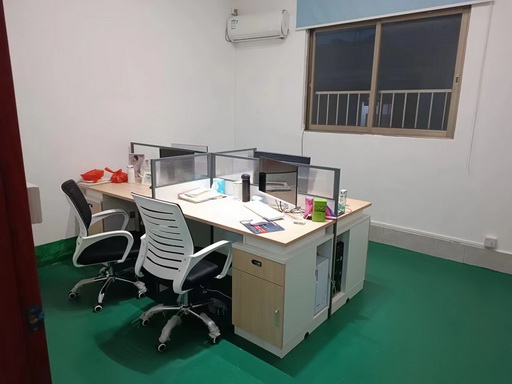
Our Office in Zhongshan
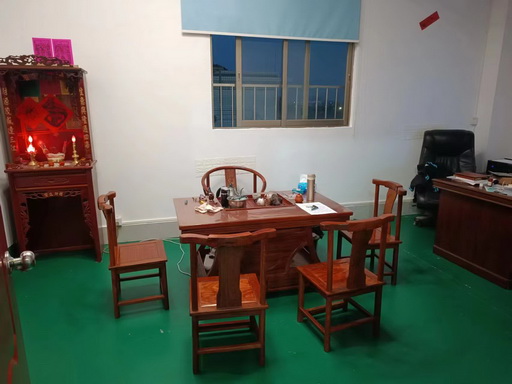
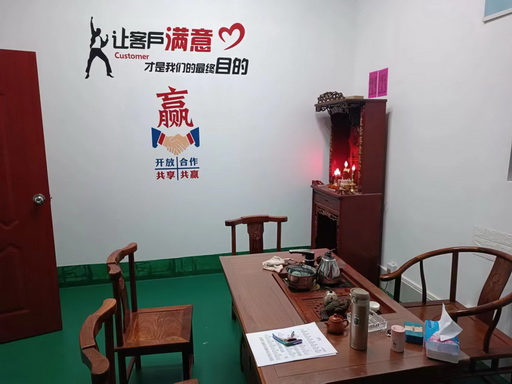
Team Workspace
Client Meeting Room
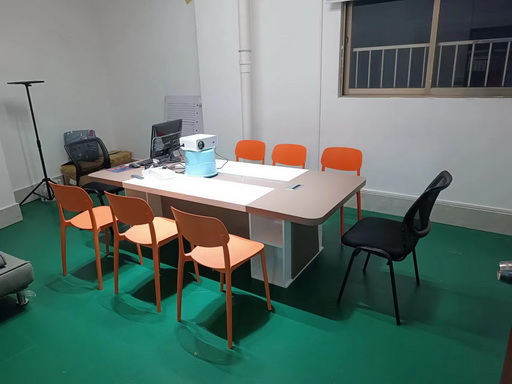
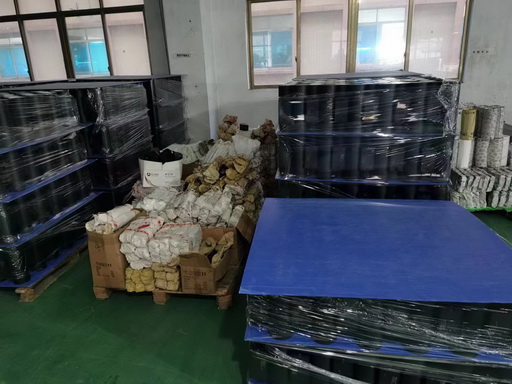
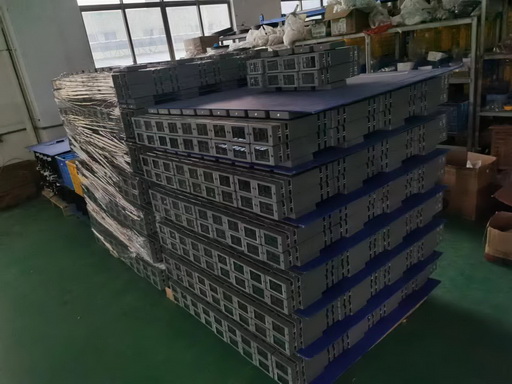
200 m² Temporary Storage and Inspection Area
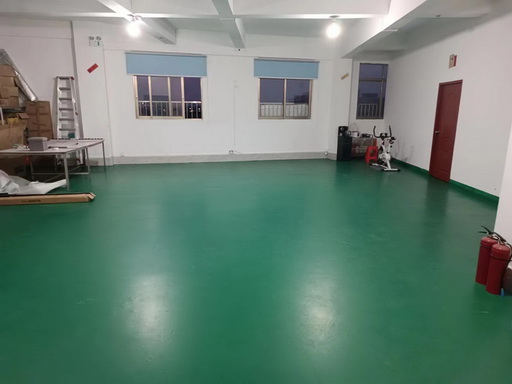
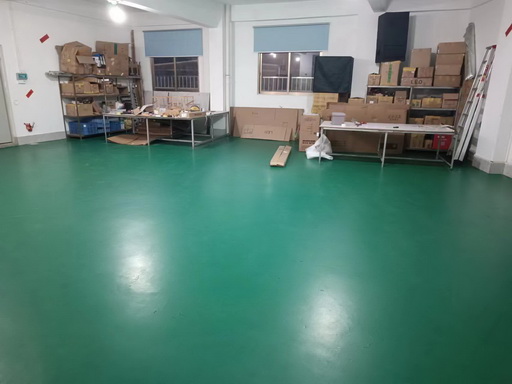
Our 200 m² facility supports sample testing, quality inspection, repacking and short-term storage.
How We Support Buyers and Ecommerce Sellers
MAX Sourcing helps small businesses, ecommerce sellers, wholesalers, retailers and contractors select suppliers, place orders, conduct factory audits and inspections, consolidate goods, label and pack products, and arrange delivery.
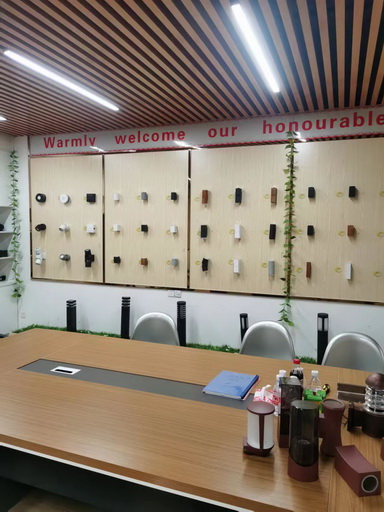
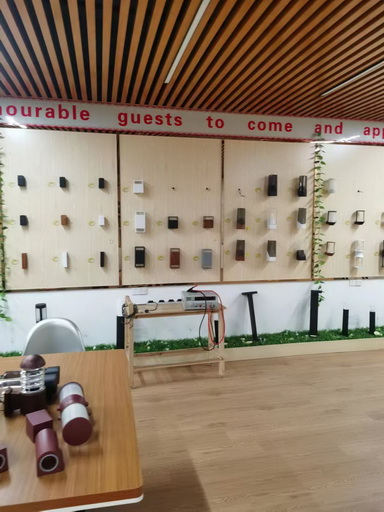
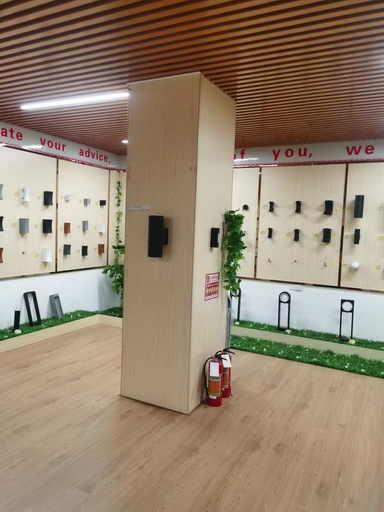
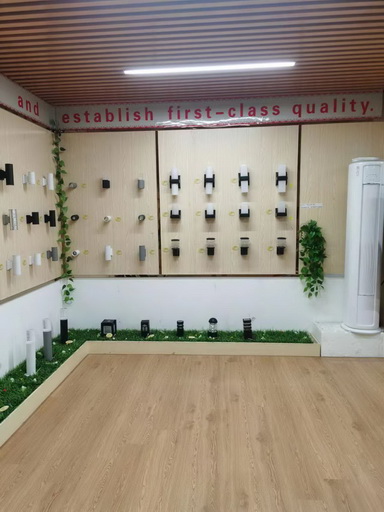
How We Conduct a Factory Audit
We visit the factory, review its production and quality-control processes, inspect the sample room, document our findings with photos and videos, and provide live video updates when required.
These photos show an on-site audit of an outdoor-lighting factory completed for a client.
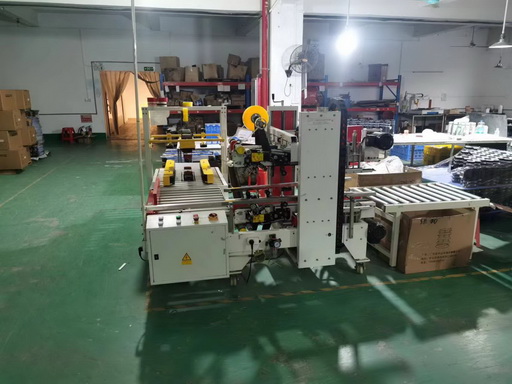
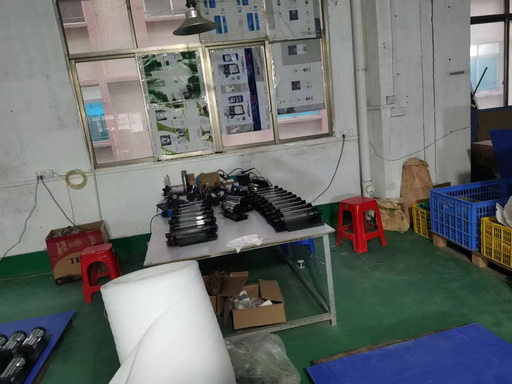
Shipping Coordination
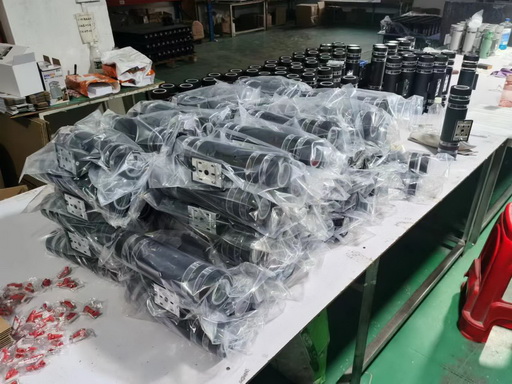
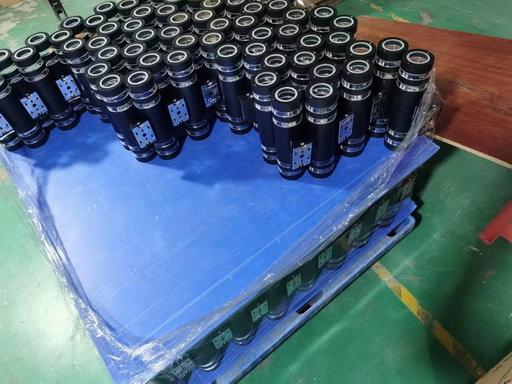
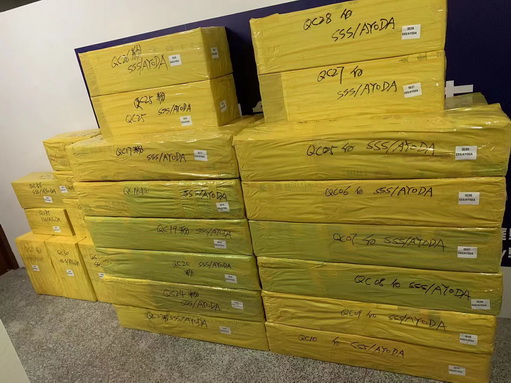
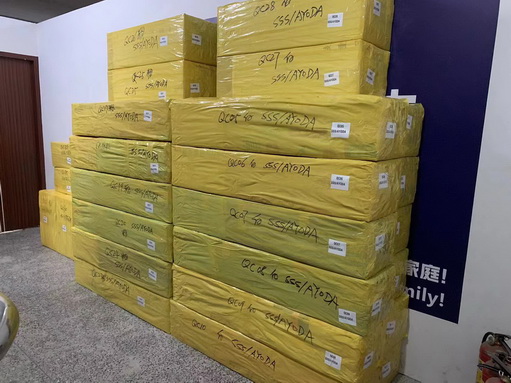
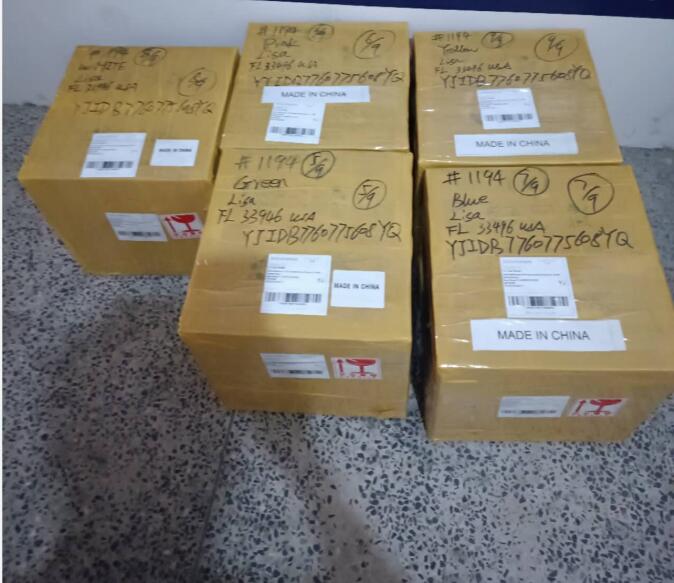
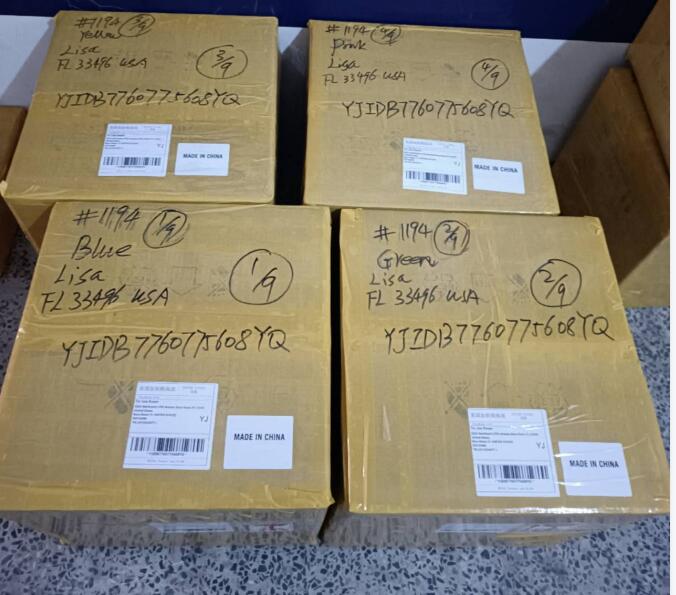
We source products, prepare labels and packaging, consolidate orders and coordinate shipment.
These parcels were prepared and labeled for a customer in Indonesia.
Additional Fulfillment Services
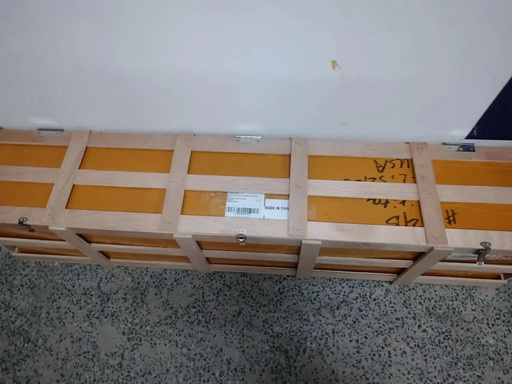
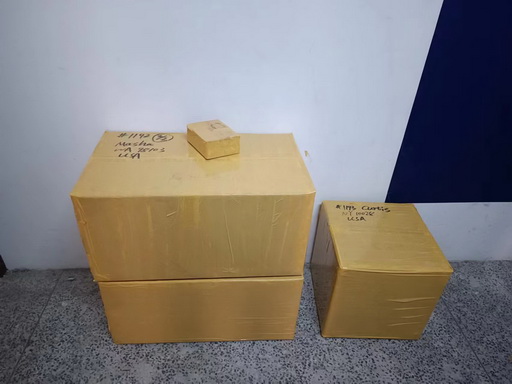
We also provide relabeling, repacking, temporary storage and direct-to-customer shipping.
Frequently Asked Questions About MAX Sourcing
Dropshipping has emerged as a powerful and accessible e-commerce business model, allowing entrepreneurs to sell products online without holding any inventory. This extensive FAQ addresses critical questions for aspiring and existing dropshippers, providing valuable insights to optimize your store for search engines and drive organic traffic.
Q1: What exactly is dropshipping, and how does it work for e-commerce businesses?
Dropshipping is a retail fulfillment method where an online store doesn’t keep the products it sells in stock. Instead, when a customer places an order on your e-commerce website, you purchase the item from a third-party supplier (manufacturer, wholesaler, or another retailer) who then directly ships the product to your customer.
The process typically involves these steps for ecommerce dropshippers:
- You set up an online store: You display products from your chosen supplier on your website (e.g., using Shopify, WooCommerce, BigCommerce).
- Customer places an order: A customer buys a product from your online store at your set retail price.
- You forward the order: You then purchase the item from your dropshipping supplier at their wholesale price.
- Supplier ships the product: The supplier packages and ships the product directly to your customer.
- You profit: Your profit is the difference between the retail price you charged the customer and the wholesale price you paid the supplier.
This model significantly reduces upfront costs and eliminates the need for inventory management, warehousing, and direct shipping logistics.
Q2: What are the main advantages of dropshipping for e-commerce entrepreneurs?
Dropshipping from ecommerce dropshippers offers several compelling benefits that make it an attractive e-commerce venture:
- Low Startup Costs: You don’t need to invest in inventory upfront, making it much more affordable to start an online business compared to traditional retail.
- Reduced Risk: Without inventory, you’re not stuck with unsold products, minimizing financial risk if a product doesn’t sell well.
- Wide Product Selection: You can offer a vast array of products from various suppliers without physically stocking them. This allows for diverse niches and product lines.
- Flexibility and Location Independence: You can operate your dropshipping business from anywhere with an internet connection, offering immense freedom.
- Scalability: As your business grows, you can easily add more products or handle increased order volumes without needing to expand your physical warehouse space or hire more fulfillment staff.
- Easy to Test Products: Dropshipping allows you to test market demand for new products without committing to large inventory purchases.
Q3: What are the common challenges faced by ecommerce dropshippers, and how can they be overcome?
While dropshipping offers many advantages, it also comes with its own set of challenges:
- Lower Profit Margins: Because you’re paying wholesale prices and often competing with other dropshippers, profit margins can be thinner than traditional retail.
- Solution: Focus on niche products, strong branding, exceptional customer service, and effective marketing to differentiate and justify higher prices.
- Inventory Management (Supplier Side): You rely on your supplier’s stock levels. If a supplier runs out of stock, it directly impacts your ability to fulfill orders.
- Solution: Use reliable dropshipping apps that provide real-time inventory updates, work with multiple suppliers for the same product, and communicate proactively with customers about potential delays.
- Shipping Times and Complexity: Products often ship from international suppliers, leading to longer shipping times than local fulfillment.
- Solution: Be transparent about shipping times, choose suppliers with efficient logistics, and consider sourcing from suppliers with warehouses closer to your target market.
- Quality Control: You don’t physically inspect products before they reach the customer, which can lead to quality issues.
- Solution: Order samples of all products you plan to sell, choose reputable suppliers with positive reviews, and establish clear communication channels for defect resolution.
- Customer Service Responsibility: Although the supplier ships, customer service inquiries (e.g., returns, damaged goods) typically fall on you.
- Solution: Develop clear return policies, respond promptly to customer inquiries, and build strong relationships with your suppliers to streamline issue resolution.
- Intense Competition: The low barrier to entry means many people start dropshipping, leading to crowded markets.