Purchasing silica brick in 2026 requires more than a simple transaction. It requires supply chain management that integrates technical QC, localized warehousing, and logistics.
In the industrial landscape of 2026, the efficiency of thermal processing units—ranging from massive coke ovens to high-velocity cement rotary kilns—depends on the structural and chemical integrity of their refractory linings. Among the most specialized materials in this sector is the Silica Brick.
Since 2009, Max Sourcing has established itself as a premier China purchasing agent, specializing in the complex procurement and quality management of refractory materials. With a strategic physical presence in Zhongshan (Guzhen/Xiaolan) and Shantou (Gurao), we bridge the gap between advanced Chinese manufacturing and the global demand for high-tier industrial solutions.
This comprehensive guide explores the evolution of silica bricks, their critical applications, and why Max Sourcing is the preferred partner for industrial procurement in 2026.
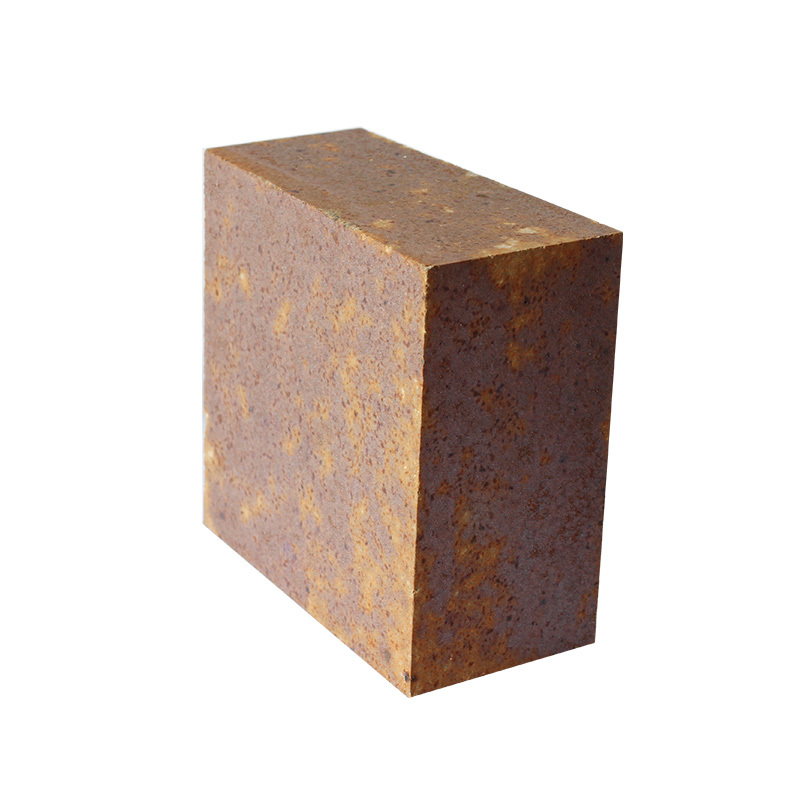
1. What is a Silica Brick? (The 2026 Definition)
Traditionally, a silica brick was defined simply as an acidic refractory containing over 93% SiO₂. However, in 2026, the term “Silica Brick” has evolved to include high-performance composite refractories, often referred to as Silmo Bricks (Silica-Mullite).
The Modern Composition
Modern silica bricks (specifically the Silmo variety) are engineered using a sophisticated blend of raw materials:
- Super High Alumina Bauxite: Provides the alumina-silicate backbone.
- Silicon Carbide (SiC): Enhances thermal conductivity and resistance to chemical erosion.
- Imported Andalusite: Improves thermal shock resistance and volume stability.
- Fused White Corundum: Adds extreme hardness and abrasion resistance.
Manufacturing Excellence
These raw materials are combined with high-quality bonding agents and processed through high-pressure forming and high-temperature sintering. The result is a product with:
- High Densification: Lower porosity means higher resistance to slag penetration.
- Exceptional Abrasion Resistance: Critical for moving loads in kilns.
- Spalling Resistance: The ability to withstand temperature fluctuations without surface flaking.
- High Softening Temperature Under Load: Maintaining structural shape at temperatures exceeding 1,600°C.
The Silmo 1680 Standard
In 2026, different grades of Silmo bricks are used based on specific kiln conditions. For example, the Silmo 1680 is the industry standard for the pre-heating zone in cement rotary kilns. Its ability to balance thermal insulation with resistance to alkali attack makes it indispensable for modern cement production.
General Properties
| Standard | ||
| Chemical Analysis | Al2O3 | ≥65% |
| SiO2+SiC | ≥30% |
Physical Properties
| Standard | ||
| Apparent Porosity (%) | / | ≤19 |
| Bulk Density (g/cm³) | At 110℃ | ≥2.65 |
| Cold Crushing Strength (MPa) | At 110℃ | ≥100 |
| Refractoriness Under load T0.6 (℃) | 0.2MPa | ≥1650 |
| Thermal Shock Resistance water cooling (cycles) | 1100℃ | ≥12 |
2. What is the Use of Silica in Brick?
Silica (Silicon Dioxide, SiO₂) serves as a vital component in refractory engineering. In a brick’s matrix, silica acts as both a structural stabilizer and a chemical barrier.
High-Temperature Structural Integrity
One of the unique properties of silica is its volume stability at high temperatures. While most materials expand and contract significantly, silica undergoes specific phase transformations (from quartz to tridymite and cristobalite) that, once reached, provide a stable volume. This prevents the “breathing” of the furnace lining, which could lead to structural collapse.
Acidic Chemical Resistance
Silica is an acidic oxide. In industrial processes where the slag or gases are acidic—such as in glass melting or certain metallurgical processes—silica bricks provide a chemically neutral interface. They do not react with the acidic environment, thereby preventing the “melting” or erosion of the kiln wall.
Load Bearing at Peak Heat
The use of silica allows bricks to maintain a high Refractoriness Under Load (RUL). This means the bricks can support the massive weight of the furnace structure even as temperatures approach their melting point, a feature that is essential for the longevity of industrial assets.
3. Why are Silica Bricks Used in Coke Ovens?
Coke ovens are among the most demanding environments for refractory materials. A coke oven battery must operate continuously for 20 to 30 years without a complete shutdown. Silica bricks are the only material that meets these requirements for the following reasons:
Thermal Conductivity
Silica bricks have excellent thermal conductivity at high temperatures. In a coke oven, heat must pass from the combustion chamber through the silica wall into the coal chamber to turn coal into coke. High conductivity ensures energy efficiency and uniform coking.
Dimensional Stability
Coke ovens are massive structures. Silica bricks expand during the initial heating phase, but once the oven reaches its operating temperature (around 1,000°C – 1,300°C), the silica phase becomes incredibly stable. This prevents the oven walls from shifting or cracking over decades of use.
Resistance to Carbon Monoxide and Hydrogen
The coking process releases aggressive gases. Silica bricks are virtually immune to the corrosive effects of CO and H₂ at high temperatures, ensuring that the walls remain gastight, preventing dangerous leaks and environmental hazards.
4. The Max Sourcing Advantage: Strategic Procurement in 2026
Purchasing silica bricks in 2026 requires more than a simple transaction. It requires supply chain management that integrates technical QC, localized warehousing, and logistics.
Strategic Warehouse Locations
- Zhongshan Warehouse (Xiaolan & Guzhen): Our primary industrial hub. Located in the center of the hardware and lighting industry, we use this facility for refractory material, fire brick, and fire cement storage. Its proximity to shipping ports makes it ideal for container loading of heavy industrial goods.
- Shantou Warehouse (Gurao): Our hub in the “International Underwear Capital.” Here we handle apparel, sportswear, leggings, and sports tops. This diversity allows us to serve conglomerates that require both industrial materials and consumer goods fulfillment.
Professional Quality Services
Max Sourcing provides a “Full-Set” service that a 1688 or Alibaba seller cannot match:
- Factory Audit: We visit the refractory plants to verify their 2026 production technology and environmental compliance.
- QC & QA Inspection: We perform mould inspections for custom shapes and technical tests on the bricks’ density and crushing strength.
- Logo and Packaging Customization: We ensure the bricks are palletized with moisture-proof wrapping and branded for your specific project.
- Consolidation: We can bundle your silica bricks with smart locks, industrial lighting, or fire bricks from our Zhongshan facility, optimizing your shipping costs.
5. FAQ: How Max Sourcing Sources Silica Bricks in 2026
1. Does Max Sourcing verify the SiC and Alumina content in Silmo bricks?
Yes. Our QA inspection includes reviewing laboratory chemical analysis reports to ensure the Silicon Carbide and Fused White Corundum levels meet the specified grade (e.g., Silmo 1680).
2. Can you source custom-shaped silica bricks for coke oven repairs?
Absolutely. We provide mould inspection services to ensure custom-shaped bricks match your technical drawings exactly before the high-pressure forming stage.
3. How does Max Sourcing handle the shipping of heavy, fragile bricks?
We supervise the container loading at our Zhongshan warehouse. Bricks are palletized, corner-protected, and braced with steel strapping to prevent movement and breakage during sea transit.
4. Why should I use Max Sourcing instead of a 1688 agent?
A 1688 agent usually lacks industrial expertise. Max Sourcing has been a professional China purchasing agent since 2009. We understand the technical requirements of refractory materials and provide on-site QC inspections that generic agents cannot.
5. Can I store my bricks in your warehouse temporarily?
Yes. We provide short-time and temporary storage at our Xiaolan and Guzhen facilities, allowing you to synchronize your shipping with your kiln maintenance schedule.
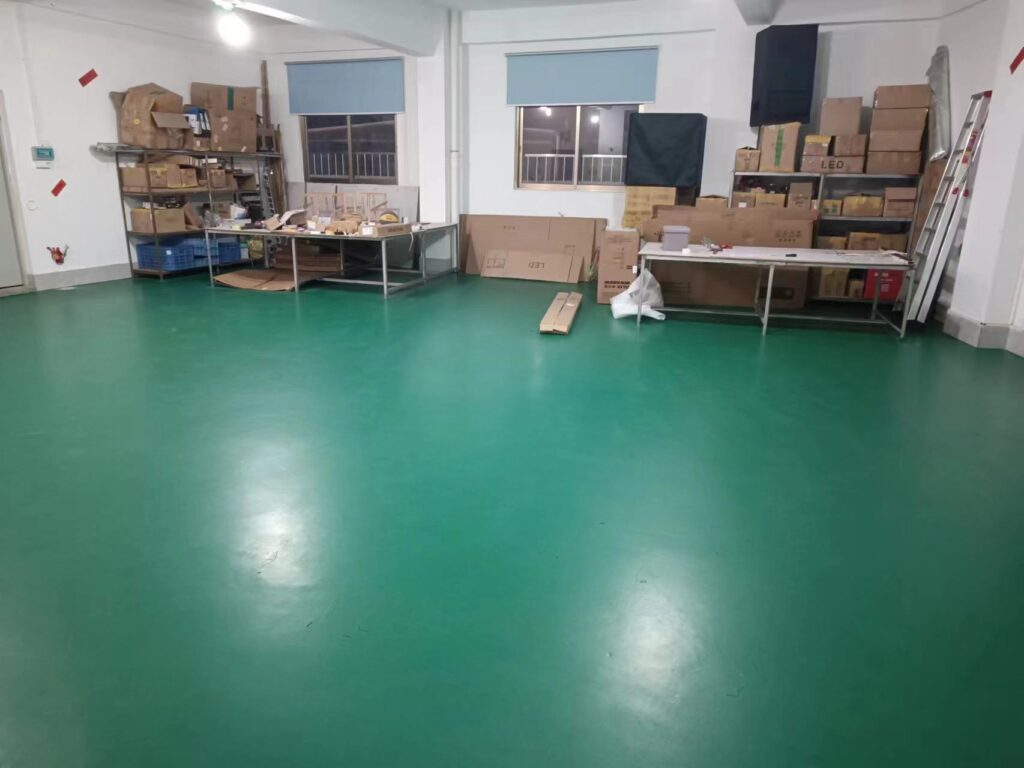
6. Do you source lighting and hardware for industrial plants too?
Yes. We are experts in the Guzhen Lighting Market. We can source industrial lighting, smart locks, and hardware and bundle them with your silica brick order.
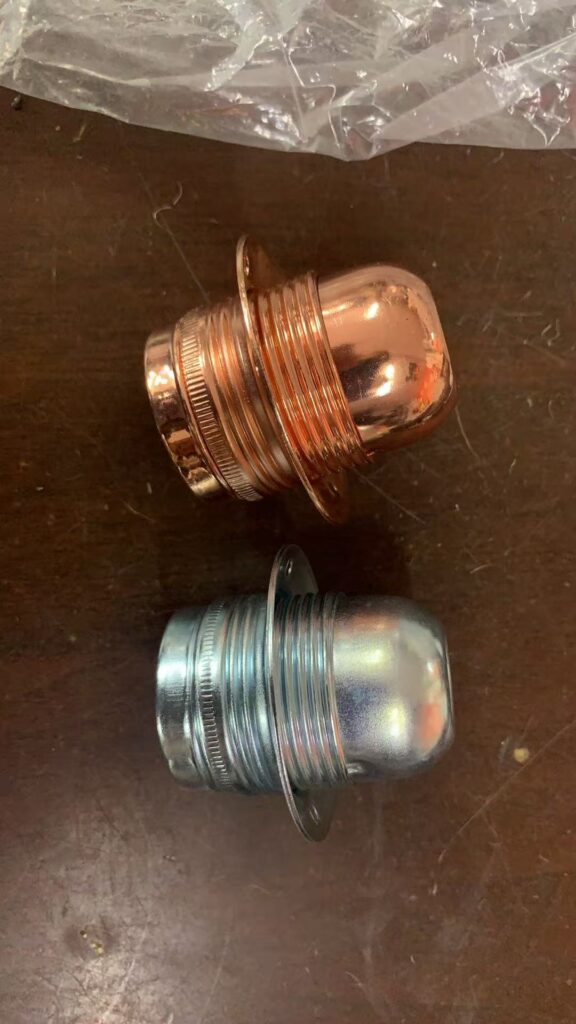
7. What is the benefit of the Shantou warehouse for my business?
If your company also sells employee uniforms or retail activewear, we can manage your sportswear, sports leggings, and underwear sourcing and ecommerce fulfillment from our Gurao hub.
8. Does Max Sourcing provide “Fire Cement” to match the silica bricks?
Yes. We source compatible refractory cement and fire cement to ensure the entire lining system has uniform thermal expansion properties.
9. How do you verify the softening temperature under load?
During our QA inspection, we verify the sintering records and the factory’s internal laboratory test results for RUL (Refractoriness Under Load) to ensure the bricks won’t deform in your kiln.
10. Can you help with “Dropshipping” for smaller refractory parts?
Yes. We provide dropshipping and shopify fulfillment for smaller industrial components, tools, or even consumer products like cosmetics and toys.
11. What industries do your furniture sourcing services cover?
For industrial clients, we provide furniture sourcing for plant offices, dormitories, and control rooms, often bundled with hardware and lighting shipments.
12. How does Max Sourcing ensure the bricks are “High Densification”?
We perform bulk density and apparent porosity tests as part of our QC inspection to confirm the bricks were subjected to sufficient pressure during forming.
13. Do you provide fabric inspections for safety gear?
Yes. Our Shantou team performs fabric inspection and sportswear inspection, which can include high-visibility safety vests and industrial workwear.
14. What happens if a factory audit fails?
If a supplier fails our factory inspection, we immediately search for an alternative through our deep database of vetted manufacturers developed since 2009.
15. How do I get a quote for a 2026 refractory project?
Simply contact us with your technical specifications and volume. Our supply chain management team will provide a comprehensive quote including sourcing, inspection, and shipping arrangements.
Conclusion: Partner with Max Sourcing for Industrial Excellence
In 2026, the success of your thermal operations depends on precision. Whether you are relining a coke oven or upgrading a cement rotary kiln with Silmo 1680 bricks, you need a partner who understands the material science and the logistical challenges of China sourcing.
With Max Sourcing, you get 17 years of expertise, a physical presence in Zhongshan and Shantou, and a “Full-Set” service that guarantees quality from the factory floor to your warehouse.
Contact Max Sourcing today to secure your 2026 refractory supply chain.