In my experience, I have made some mistakes with packing and shipping. Sometimes it was user error, sometimes it was a supplier that didn’t do their job well. Either way, I have learned from them so you don’t have to make the same mistakes. Here are my tips for successful packing and shipping for your next project sourcing adventure in China.
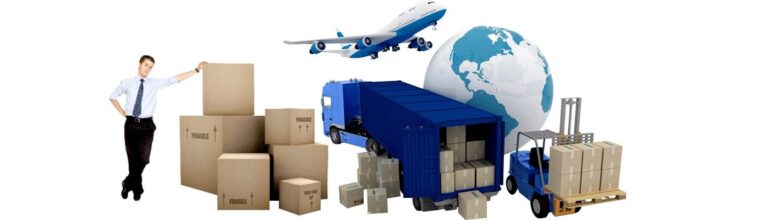
Packing and Shipping Essential Tips
Section: Dimensions and weight of the goods you intend to ship is essential.
If you are shipping with a courier, then dimensions and weight need to be taken into consideration. If you are checking the package in yourself, then it is important that you have the correct dimensions and weight for your chosen method. This will save time at the airport, as well as potentially saving money on excess baggage fees when traveling via plane.
Additionally, consider the packing and shipping materials you use to ensure the safety of your items.
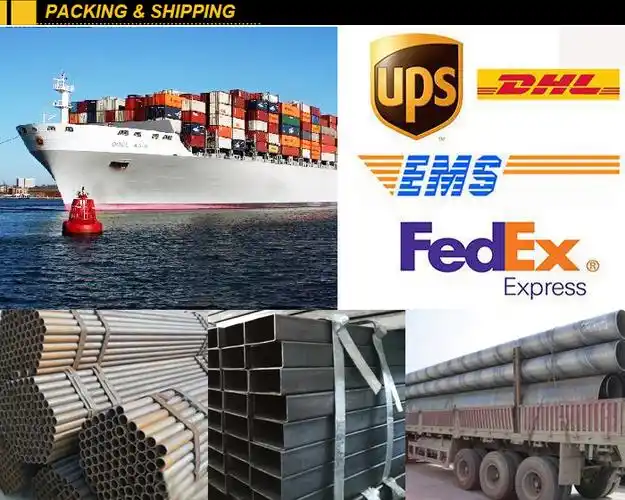
Section: packing and shipping,Always use wooden material when handling breakable items from China to US.
While any type of packing material can be used, it’s important to note that some are more effective than others.Max Sourcing have worked with many packaging companies from 1688. For example, if you’re handling breakable items from China to the US, it’s generally recommended that you use wooden materials rather than styrofoam. This is because wooden material will protect your goods in case of a drop or collision during transit. However, if you do choose to use styrofoam, make sure that you wrap it in bubble wrap first before placing it inside your package.
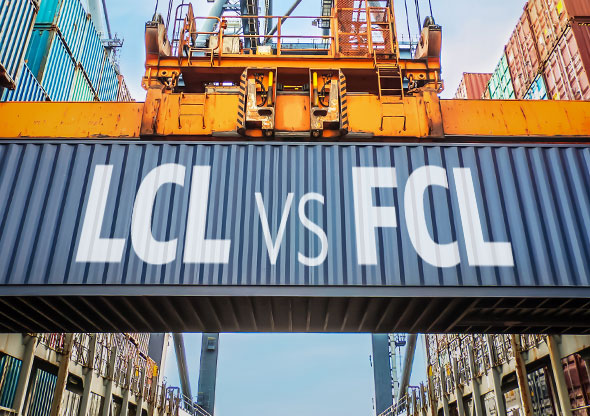
Section: Determine if you can go with full container load or less than container load options,packing and shipping.
Depending on the nature of your business, there may be times when you need to ship large volumes of goods. If so, it’s recommended that you go with full container load (FCL) options as they’re usually more cost-effective than less than container load (LCL) ones. This is because going with FCL allows you to fill up an entire cargo container with your products before sending them off.
When considering packing and shipping, always evaluate the space needed for your goods.
Section: If your shipment requires special handling or packaging and shipping, advise your supplier in advance.
This will help ensure that your goods are handled properly, and it may also be cheaper than paying for a separate shipment. If you don’t tell the supplier in advance about any special requirements, they may not be aware of them and could make mistakes when handling your packing and shipping.
Packing and Shipping Methods
Section: Choose a method of packing and shipping that doesn’t require consolidation.
Some methods require that all shipments going to the same destination be consolidated. For example, if you’re shipping by ocean freight, your goods will have to be consolidated with other products before they are loaded onto a container ship. This can cost more than if you shipped separately—and it means that the supplier will have less control over how your shipment is handled.
Section: Sea freight is more popular than air freight.
Sea freight is cheaper than air freight from China. And it’s more reliable. With sea freight, the goods are packed into large crates and shipped by boat. The shipping time takes about 30 days, but there’s no risk of damage or loss. Most importantly, you can insure your cargo for its full value so that if anything happens to it during transit, you won’t lose any money on your shipment.

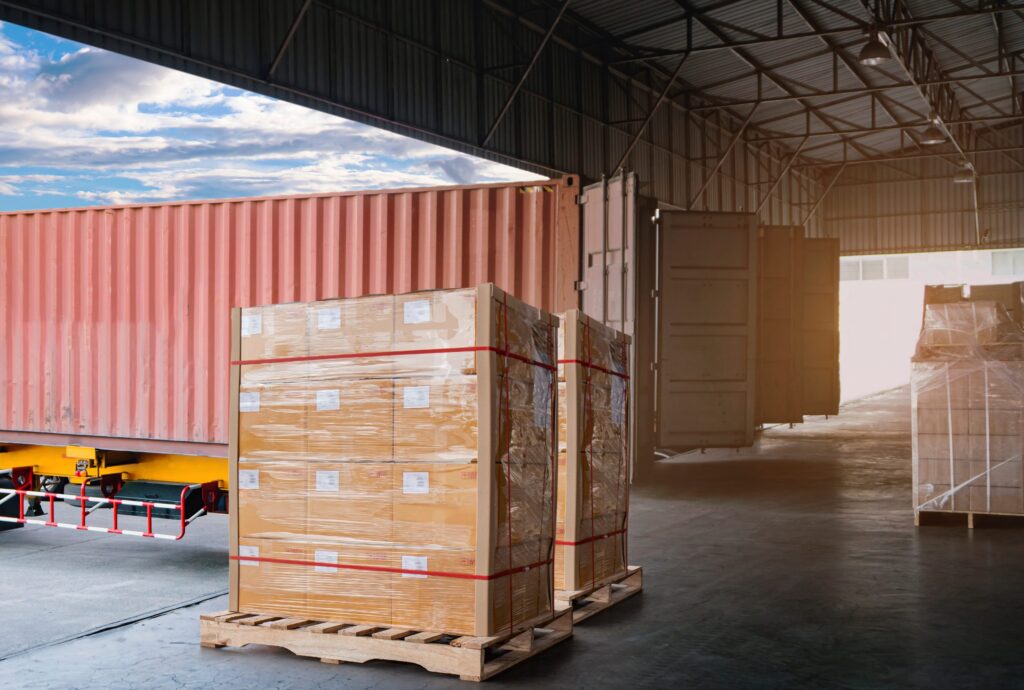
Section: Ensure you have the correct pallet for shipping.
Pallets are used to transport and store goods. Most pallets are made of wood, but you may also find plastic and metal versions. When shipping from China, it’s important that your pallet has the correct dimensions so that it fits into the cargo hold of a plane or ship. If your pallet is too small or large for these spaces, then it will be rejected by customs officers and returned to you at no cost.
For all shipments, understanding customs requirements is crucial.
Others
Section: Be aware of export laws.
The laws and regulations governing export vary from country to country, so you should make sure you’re familiar with the rules of your destination. For example, some countries have restrictions on what can be exported and require permits or licenses for certain types of goods. It’s also important that you don’t violate any local laws or customs regulations when shipping from China, such as those covering food hygiene or environmental concerns.
Section: Be prepared for what happens when the pallet arrives at the warehouse.
Once your pallet has arrived at the warehouse, it’s important to be prepared for what happens next. It’s possible that some items may have been damaged in transit or lost completely. This is why you should always check each item before signing off on a delivery. You should also request an invoice for any missing or damaged items and make sure this is included with your shipment.
Section: Check-in with your supplier throughout the process and don’t be afraid to call them out on their mistakes.
One of the most important parts of managing your supply chain is staying in touch with your supplier. You should check-in with them throughout the process and let them know if anything goes wrong, such as a delay in delivery or damage to an item. If something does go wrong, don’t be afraid to call them out on it!
During the process, effective communication with your supplier is essential.